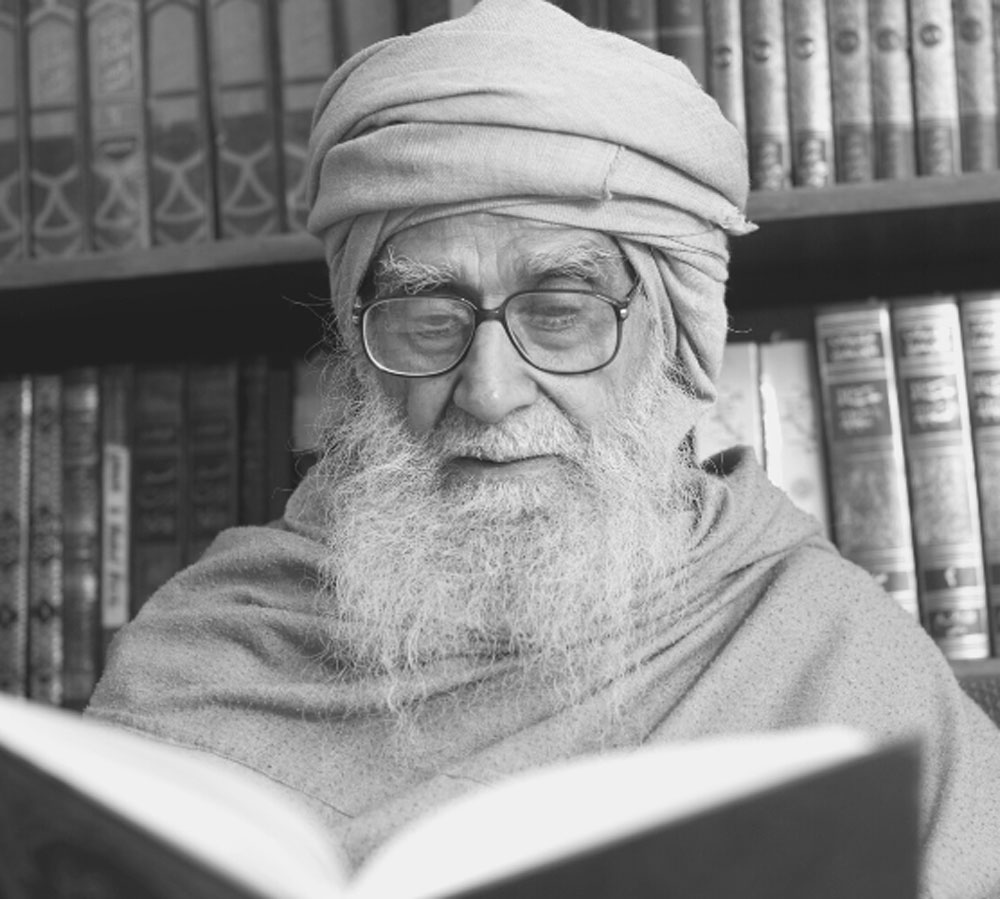
THE QURAN AND NEAR-DEATH EXPERIENCES
By Haflz Syed Iqbal Ahmed Umri
Science and faith are not in conflict; they complete one another. Science observes the phenomenon. Faith explains its meaning.
For decades, modern science has attempted to understand what happens at the threshold of death. Among those who devoted their life to this inquiry was Dr. Jeffrey Long, an American oncologist and medical researcher from Iowa. Over more than thirty years, he studied near-death experiences (NDEs) reported by individuals who had been clinically dead or close to death, yet returned to life with vivid recollections.
In 1998, Dr. Long founded the Near Death Experience Research Foundation (NDERF). Through this platform, over 5,000 documented cases were collected from across cultures, religions, and continents. After carefully analyzing this vast body of data, Dr. Long reached a striking conclusion: human consciousness does not end with physical death.
Across diverse backgrounds, people described remarkably similar experiences—a radiant light, overwhelming peace, separation from the physical body, and an all-encompassing sense of love. These accounts, he argued, could not be dismissed as hallucinations. Their consistency pointed instead to a deeper reality: life continues beyond death. Nearly ninety-five percent of participants described their experience as “absolutely real.” Several medical journals described his work as a rare space “where science and spirituality meet.”
Centuries before such research, the Quran had already drawn attention to this moment of unveiled perception. It declares: “We have removed from you your veil, and your sight today is sharp.” (50:22) This verse speaks of a time when ordinary perception is transformed, when the barriers between the seen and unseen are lifted.
I encountered the depth of this truth in 2004 during an eye examination at Nawaz Clinic in Ambur. There I met Dr. Muhammad Ibrahim, one of the town’s most senior and respected ophthalmologists—a man of medical precision and quiet spiritual curiosity. After completing my examination, he asked gently, “You are a scholar. Is it true that at the time of death, the eyes become sharp and the dying person begins to see unseen realities?”
I recited the Quranic verse and replied, “Yes, the Quran tells us that when death approaches, the veils of truth are lifted.”
Dr. Ibrahim nodded and shared a deeply personal experience. “When my son-in-law was dying,” he said, “he suddenly pointed toward the door and said, ‘They have come—the ones who will take my soul.’ Moments later, he passed away.”
The Quran describes this scene with striking clarity: “Then why, when the soul reaches the throat, and you are looking on, and We are nearer to him than you, but you do not see?” (56:83–85) As death approaches, the dying person begins to perceive a reality hidden from those who stand beside him.
Years later, on October 8, 2025, I visited the same clinic with a friend’s son. This time, Dr. Ibrahim was absent. The staff informed me quietly that he had passed away. I stood in silence. The man who once asked about the final vision had himself crossed that unseen threshold.
At that moment, a realization became clear. Science and faith are not in conflict; they complete one another. Science observes the phenomenon. Faith explains its meaning. Dr. Jeffrey Long’s research and Dr. Ibrahim’s experience speak of the same truth. Science says life after death may be possible. Faith says it is certain.
As I left the clinic, I whispered a prayer: “O God, grant us sight before death—so that when death comes, it brings not fear, but a smile.”
When knowledge and faith meet, death no longer appears as an end. It becomes a doorway to eternal life.