AN EASY METHOD
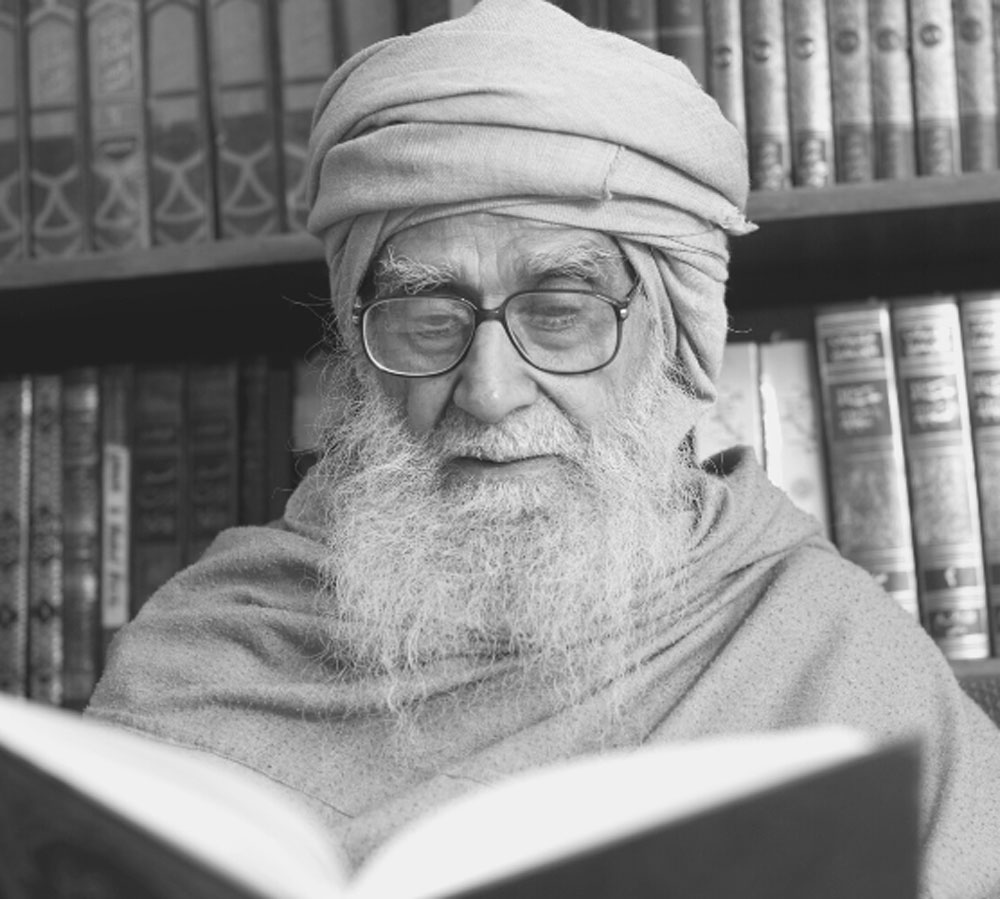
Professor Rasheed Ahmad Siddiqui (1892–1977) was born in Jaunpur. He later became head of the Urdu Department at Aligarh Muslim University. He was best known as a humourist and is regarded among the leading humour writers of Urdu.
His colleague Ale Ahmad Suroor (1911-2002) wrote: “Professor Siddiqui once took one of my articles and published it elsewhere. I had intended to give it to the Urdu monthly, Adab. When I protested, he ignored me. When I complained again, the month of Muharram had just ended. Siddiqui wrote to me: ‘Muharram is over, stop mourning.’” (Qaumi Awaz, April 22, 1990)
This way of replying can sometimes be very effective. In academic discussions, logic and reasoning are most appropriate. Using sarcasm or humour in such contexts is considered improper. But in many other situations, this lighter style works better—especially when bitterness arises between two people or groups. In such moments, serious humour is often the best solution. When tempers flare, people are in no state to listen to reason. The best approach is to make a witty remark that shifts their attention.
This principle works in the home, in organizations, and even in disputes between groups. If a person keeps calm, avoids frustration, and thinks clearly, he can always find some pleasant word that cools tempers.
If humour becomes a habit, it is objectionable. But if used as a strategy, it becomes praiseworthy—because sometimes a humorous remark can succeed where serious words fail.